Salted Orange @ The Farm
Sustainable, Quality & local
-

The Good Life
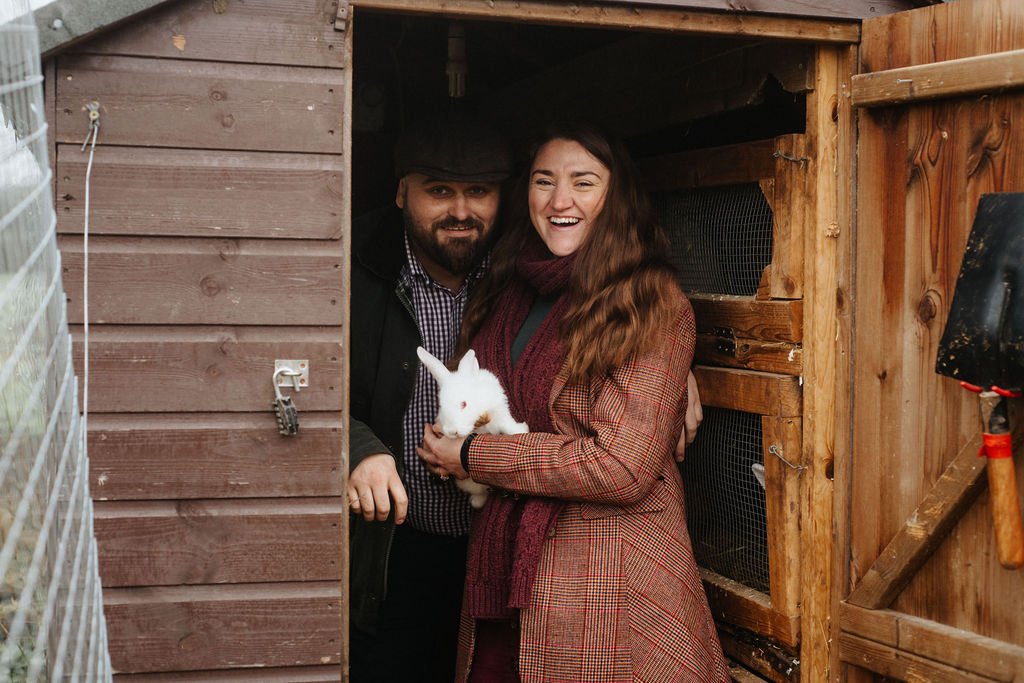
At Salted Orange, our food starts long before it reaches the kitchen. It begins on our own family-run farm here in Lincolnshire, where we are committed to regenerative farming principles that rebuild soil health, protect biodiversity, and create a genuinely sustainable food system.
Our approach is simple: better soil, better produce, better food.
Our Regenerative Farming Practices
We follow a regenerative model that goes beyond “sustainable”. Instead of simply maintaining the land, our methods actively improve it. Key practices include:
1. No-till and Reduced-Disturbance Cultivation
Minimising soil disturbance protects soil structure, increases carbon retention, and encourages beneficial microbial activity. Healthy soil translates into higher-quality, nutrient-dense vegetables and herbs.
2. Cover Cropping for Soil Health
We grow mixed cover crops to protect the soil, prevent erosion, and naturally increase nitrogen levels. This reduces reliance on synthetic inputs and supports a year-round living root system.
3. Rotational Grazing (Where Applicable)
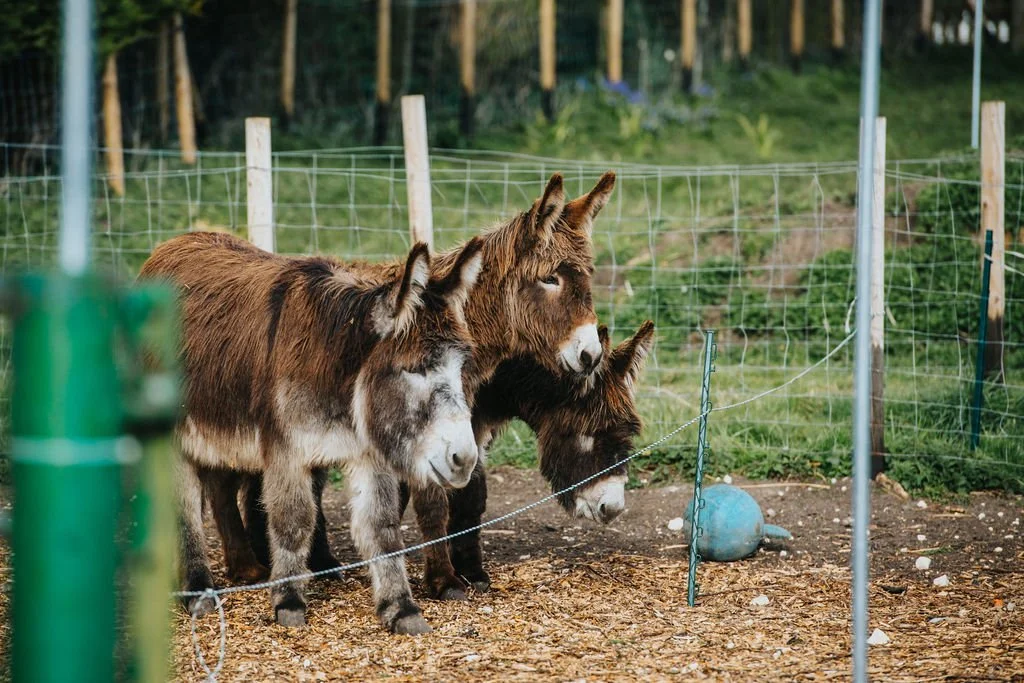
Livestock are moved through paddock systems to mimic natural grazing patterns. This regenerates pasture, improves water retention, and increases organic matter within the soil.
4. Integrated Pest Management
We avoid unnecessary chemical sprays and instead focus on biological controls, habitat creation, and natural predators. The result is cleaner, safer produce for our menus.
5. Biodiversity-First Thinking
We maintain hedgerows, pollinator strips, wildflower margins, and mixed planting systems to support insects, birds, and wildlife. A diverse farm is a resilient farm.
6. Closed-Loop Composting
Food waste and green waste from the kitchen are composted and returned to the land, closing the loop between the farm and Salted Orange’s production kitchen.
-
Academic Expertise Backing Our Practices
Our commitment to regenerative, responsible food production is supported by both hands-on experience and academic expertise. Sam Owen, Director of Salted Orange, completed a degree in Agriculture in 2025, bringing current, research-backed understanding of soil science, plant nutrition, and sustainable farming systems directly into the way we grow and operate.
This knowledge is strengthened by Amanda, who has been a lecturer in Animal Biology and Animal Management at Riseholme College for over a decade. Her background in livestock science, welfare, behaviour, and modern management systems informs our approach to integrated, ethical farming — ensuring our livestock and land management follows evidence-based best practice.
Together, this academic foundation ensures every regenerative method we use is grounded in science, not trend — and that the food we grow and serve meets the highest standards of quality, welfare, and environmental responsibility.
-
From Farm to Fork – Why This Matters for Your Event
Regenerative farming directly affects flavour and quality. Produce grown in living soil simply tastes better — more flavourful herbs, sweeter roots, richer greens, and higher nutrient density.
For our clients, this means:
• fresher ingredients at peak ripeness
• shorter supply chains and reduced food miles
• traceable, ethical sourcing
• consistent quality across every event
• lower environmental impact, backed by real practice rather than marketing spinWhether we are creating corporate buffets, wedding feasts, tasting menus, or VIP grazing tables, the foundation of every dish is the land it comes from.